
When Battery Swapping Was Not Enough to Be Felt
Client
Gogoro Inc.
Focus
Global Product Market, Narrative, and Stakeholder Reframing
Collaborators
Gogoro Global Product Leadership, Creative Direction, Business Development, and Strategic Leadership
Gogoro is often understood as an electric-scooter company.
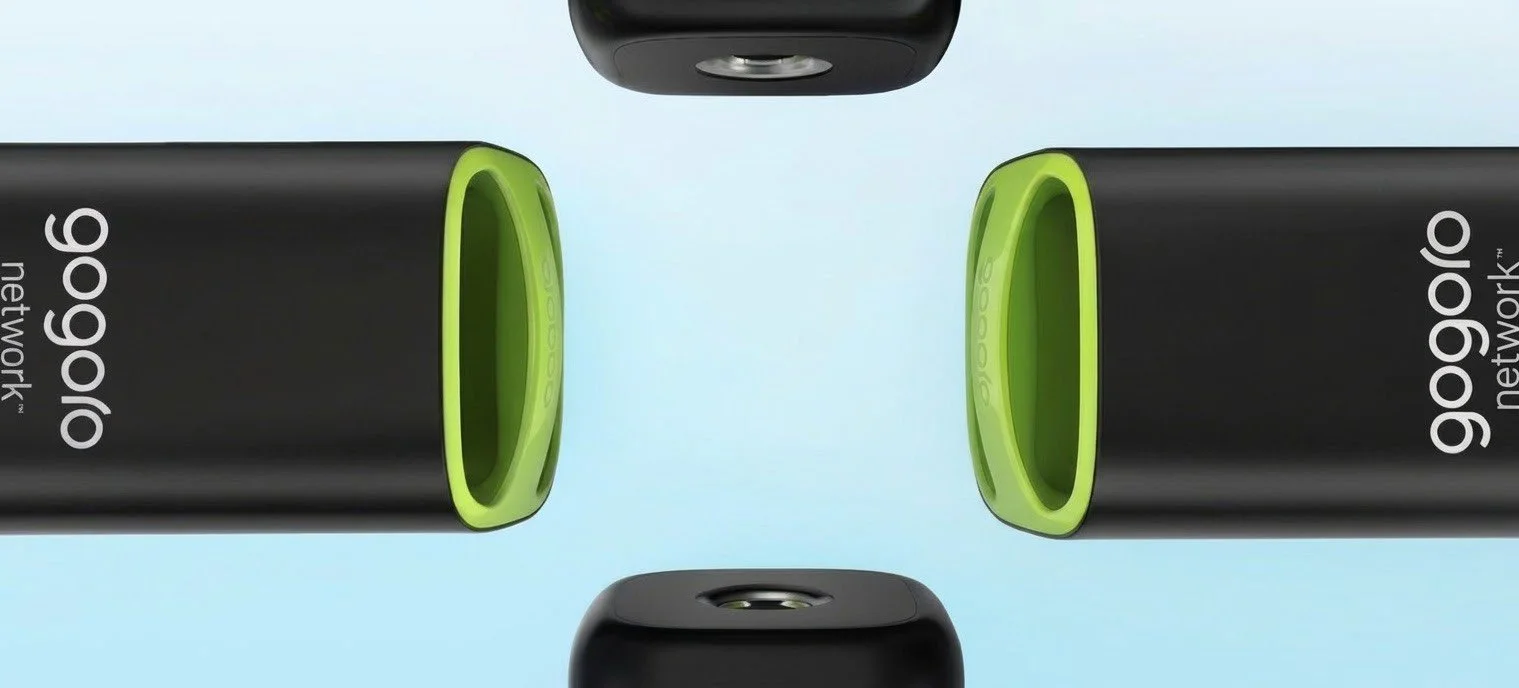
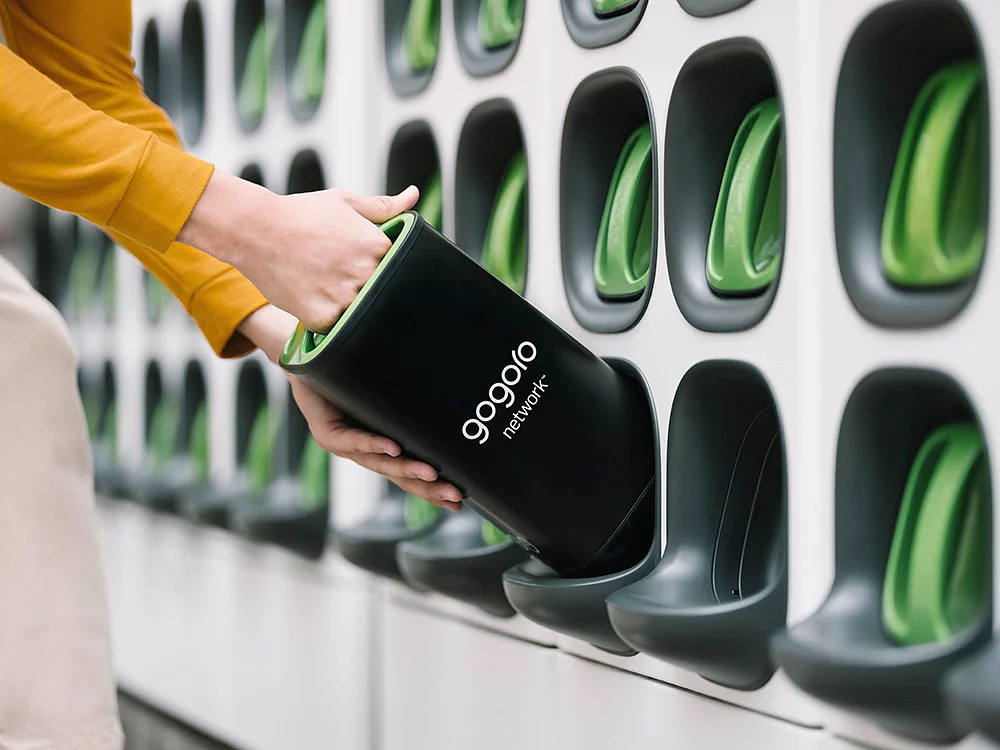
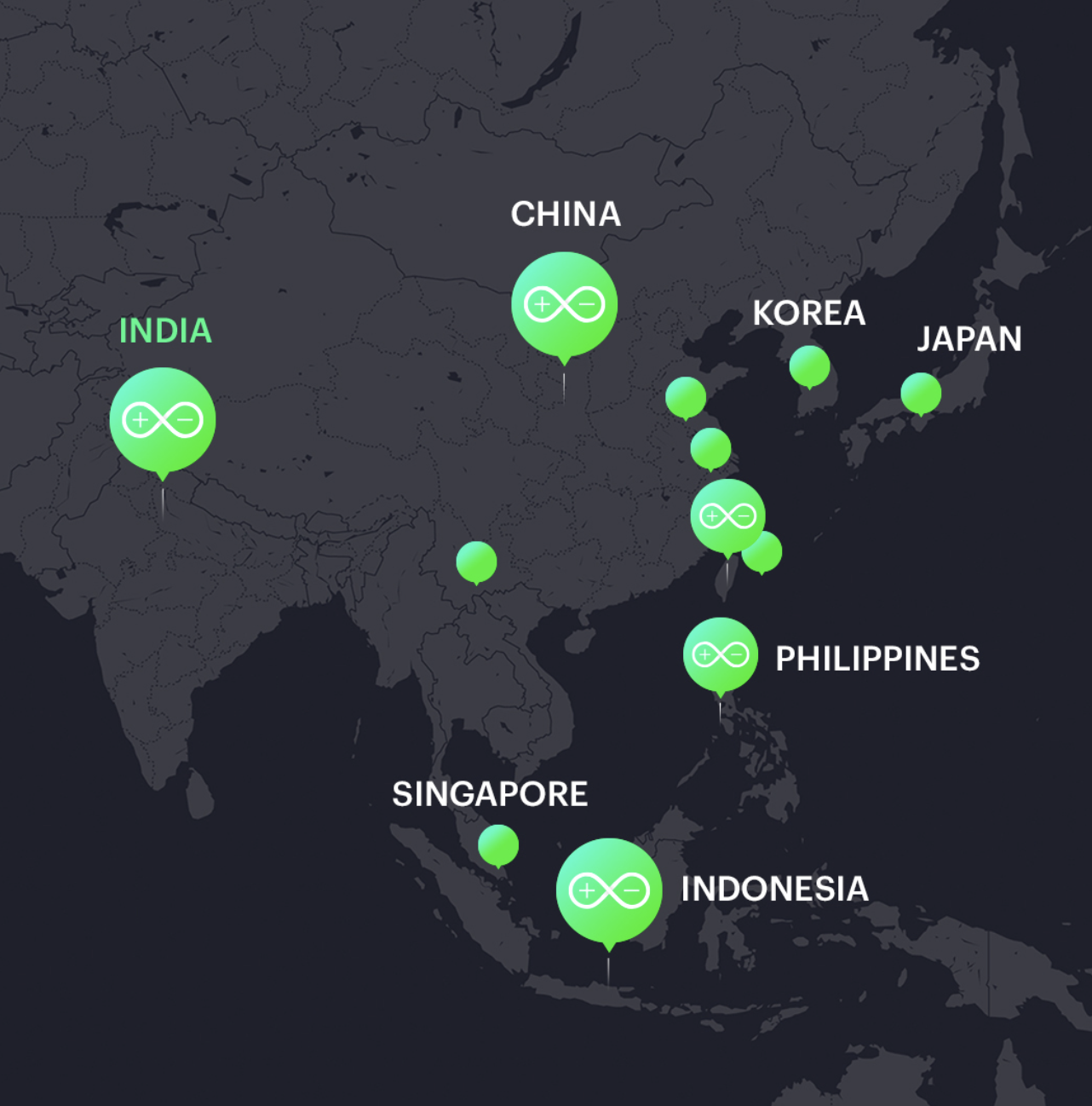
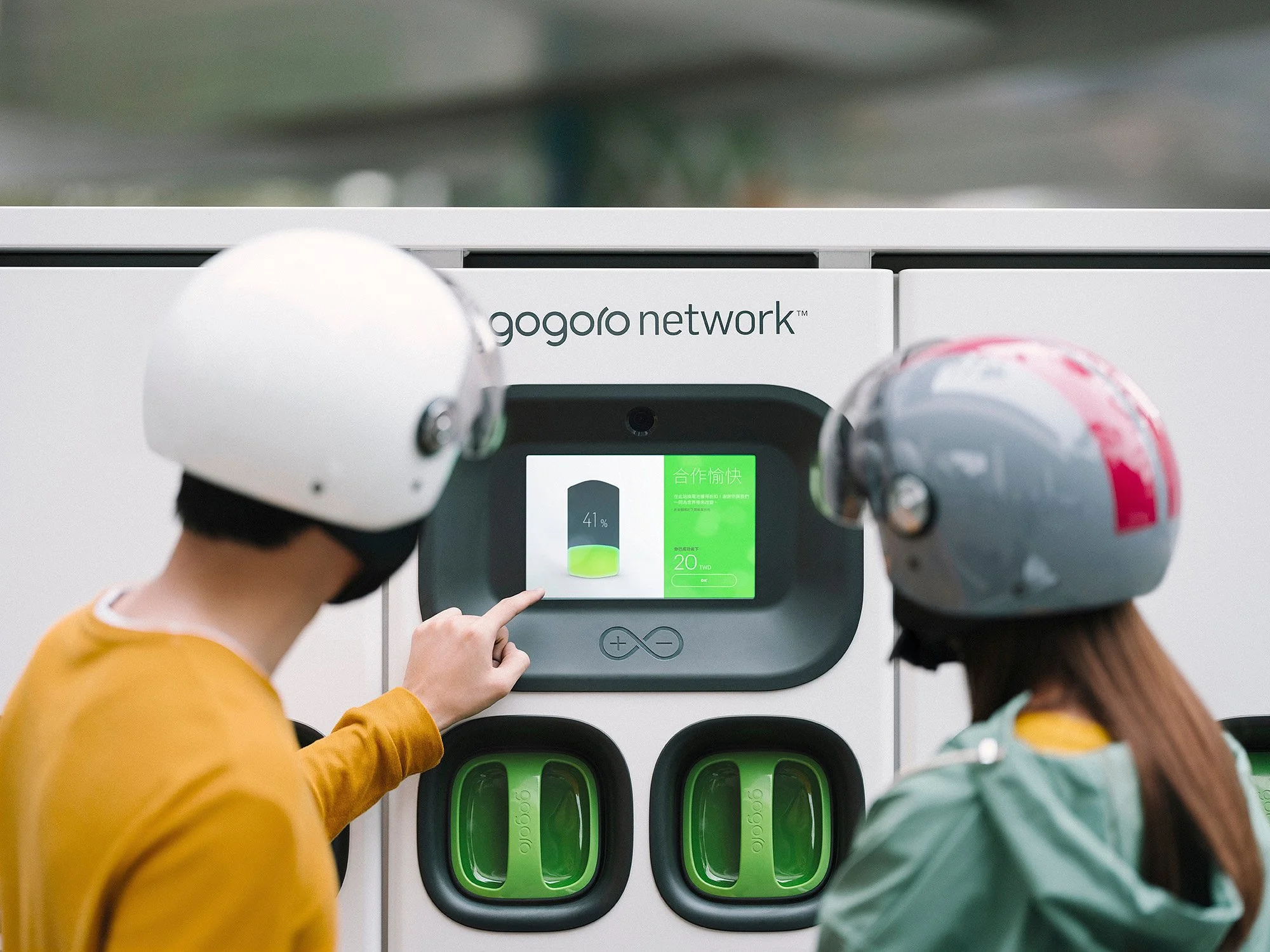
What people see are beautifully designed Smartscooters, Smart Batteries, and green-lit GoStations where a battery can be swapped in seconds. The impression is one of convenient movement, technological novelty, and a more premium urban way of getting around.
But from the beginning, Smart Batteries, energy management, and the Gogoro Network were at the heart of the ecosystem. In Taiwan, where scooters are deeply woven into daily life, the Gogoro Smartscooter became the most immediate way for that system to build a relationship with people: through riding, swapping, and the familiar rhythm of the city.
But why should this system matter beyond Taiwan?
Why This Case Matters
In India, Gogoro entered through Smartscooters and battery-swapping stations. But the longer-term opportunity was never only to sell scooters.
It was to build a smart-battery network that markets, partners, and governments could recognise, trust, and choose to work with.
The first public entry point was clear.
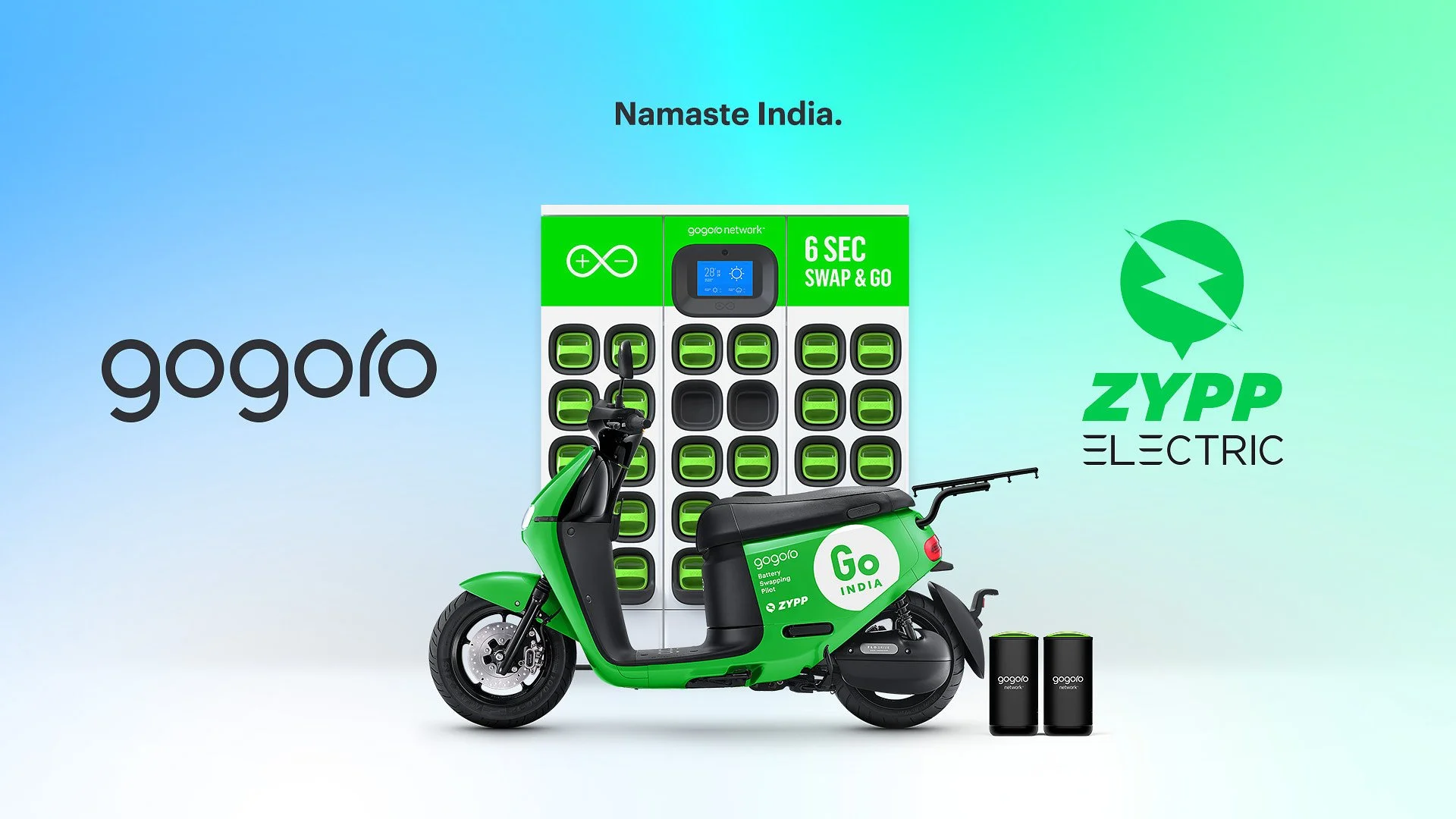
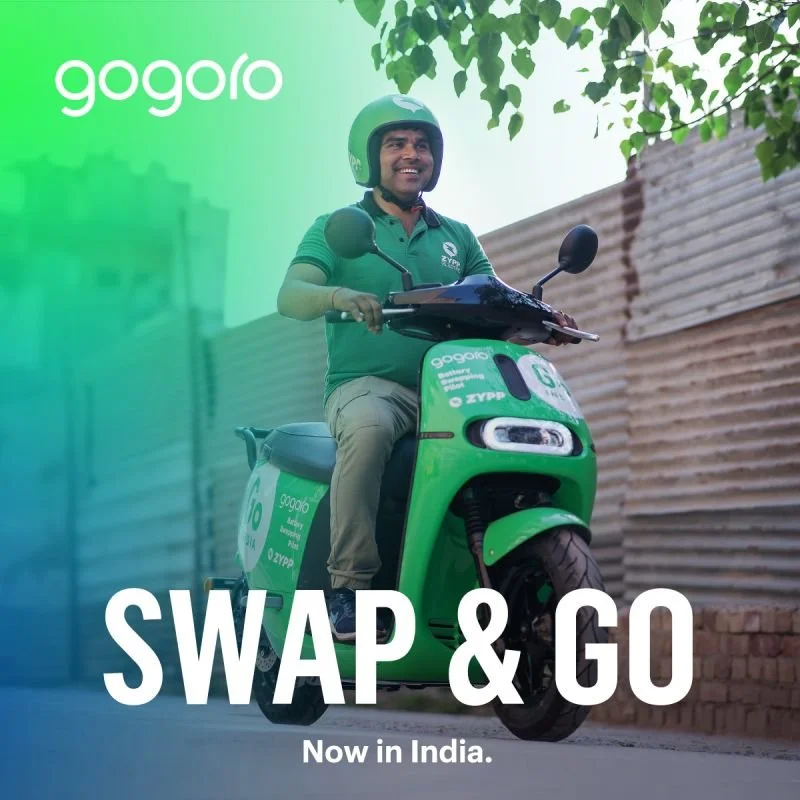
In Delhi NCR, Gogoro launched a B2B pilot with Zypp Electric: six battery-swapping stations serving last-mile delivery fleets. The proposition was practical and compelling—six-second battery swaps, less downtime than conventional charging, cleaner deliveries, and a more efficient way for riders and operators to keep moving.
It was a strong answer to the operational question.
Beyond logistics, what could stored energy mean in the life of a city under pressure?
When I joined Gogoro’s global headquarters in Taiwan, one question stayed with me:
What does battery swapping actually mean to people in India?
For product and business teams, battery swapping keeps Smart Batteries in continuous use, enables them to be centrally monitored and managed, and lets riders keep moving without waiting to charge.
But it did not yet answer a human one:
But for someone living with extreme heat, pressure on electricity supply, and an increasingly unstable climate, how much of that meaning connects directly to everyday life?
The case began with a product question and gradually became something larger:
If a battery does more than keep a vehicle moving, what else can it make people feel?
From Swapping to Storage
The research began with everyday life in India.
Extreme heat, blackouts, pressure on electricity supply, and the vulnerability of urban life mean that power is never only about transport. It is tied to cooling, work, families, communication, medical care, getting through the night safely, and whether a city can continue to function.
When summer heat and power outages arrive, people may not first ask about the design of an electric scooter or the mechanics of battery swapping.
They may ask something more immediate:
Can this system give a city more energy that can be managed, shared, and relied upon when pressure rises?
People may find it easier to understand energy storage before they feel the value of battery swapping.
This changed how the battery could be seen. It was no longer only a component inside a Smartscooter. It could become an urban resource: something that could be distributed, exchanged, deployed, and stored.
Stay Charged, Stay Cool.
This was not an official Gogoro campaign line.
It was a working proposition—a way to test whether the system could connect with a human feeling before asking people to understand the technology behind it.
Strategic Reframing
The Product Stayed Strong. Its Position Changed.
For business partners, Gogoro could become infrastructure that supports decarbonisation, operational transition, and their own ESG commitments.
For people When extreme heat and power cuts arrive, air conditioners cannot turn on and even fans fall still. Energy storage is no longer an abstract technical benefit. It becomes a way of understanding how much resilience a city has left.
For investors who look at sustainability, energy, and long-term infrastructure, Gogoro could be understood as a smart-battery ecosystem: one that connects urban mobility, energy networks, and public value.
For governments, it could become more than a transportation-transition project. It could enter conversations around smart cities, energy storage, demand response, and public resilience.
What Changed:
Product Function to Public Value
The MÖTHEA approach begins with how people understand something.
In the short term, it gave a battery system—previously understood mainly through the efficiency of urban mobility—another entry point that consumers, business partners, governments, and investors could share.
In the long term, it raised a more practical question:
How might we show new markets, through concrete action, how this system can help a city face the future of energy, climate, and movement?This was not about turning Gogoro into an ESG company.
It was about recognising a shared-value business model: one in which Gogoro could help governments, businesses, and cities make progress on their own sustainability commitments while expanding the value of the Gogoro Network.
In 2023, the State of Maharashtra issued Gogoro an offer letter for an Ultra Mega Project.
Its proposed eight-year Phase 1 plan included more than US$500 million in local manufacturing investment and US$1 billion in smart-battery infrastructure deployment: a proposed total exceeding US$1.5 billion, with financial incentives and support from the State of Maharashtra.
This was not the achievement of a single strategy or individual.
It was systems work, advanced over time by government, corporate leadership, and cross-functional teams. Research, product, manufacturing, public relations, policy, capital, local partnerships, and infrastructure deployment all had to work together.
This case does not claim that I led Gogoro’s India market entry, nor that I secured the subsequent investment or government partnership.
The later development of ESG initiatives, India-market deployment, corporate decisions, and international partnerships was advanced by Gogoro’s leadership and teams across different stages.
When Scale Follows

The work was not about inventing a new product, or asking every stakeholder to want the same thing.
It was about changing the angle from which each party could see the value already present.
Nothing was created from nothing.
The potential was already there. The work was to bring those interests into alignment and make the opportunity visible.