
Da Vinci’s Intoxicating Supper Wine Festival
When a wine importer stops building brands only for the wineries it represents.

Client
Ascent Way
Collaborators
22 Italian wineries, Mandarin Oriental Taipei, Lexus, Steinway Piano Center, opera artists, Michelin-starred culinary talent, art-asset management partners, and VIP audiences across business and culture.
Why This Case Matters
For twenty years, Ascent Way had built enduring trust with Italian wineries, deep market knowledge, and a loyal customer base.
Yet this is the quiet problem of a good importer: when a winery grows, the market remembers the winery. When a hotel hosts an event, people remember the hotel. The importer who connects the entire system can remain invisible.
Da Vinci’s Intoxicating Supper Wine Festival and its accompanying opera-cabaret dinner were designed to change that. More than a twentieth-anniversary celebration, they turned Ascent Way’s relationships, judgment, and credibility into a market position of its own.

01 — Read the Position
Strong relationships are not the same as market position.
Ascent Way held assets that were real but difficult to see: long-standing winery access, commercial trust, and two decades of Italian-wine expertise in Asia.
At the time, French wine still largely defined the market’s default image of high taste. Italian wine, despite its depth and diversity, was often expected to explain itself by comparison.
A conventional anniversary event would have reinforced the old arrangement: wineries would own the product story; luxury partners would own public attention; Ascent Way would remain the supplier behind the scene.
The question was not how to host a more impressive celebration.
How could Ascent Way’s twentieth anniversary become a moment for the market to reconsider Italian wine—and recognise the value Ascent Way had spent twenty years building?

02 — Reconfigure the Field
Create a setting that could not exist without you.
Each autumn, Italian winery owners were already travelling across Asia. Ascent Way turned that existing movement into a destination: twenty-two wineries gathered around one proposition—the thirty minutes before Leonardo da Vinci’s The Last Supper. This was not a wine festival decorated with art. It was a cultural proposition about Italy, rebirth, taste, and choice.
Ascent Way brought winery relationships, commercial experience, and market judgment.
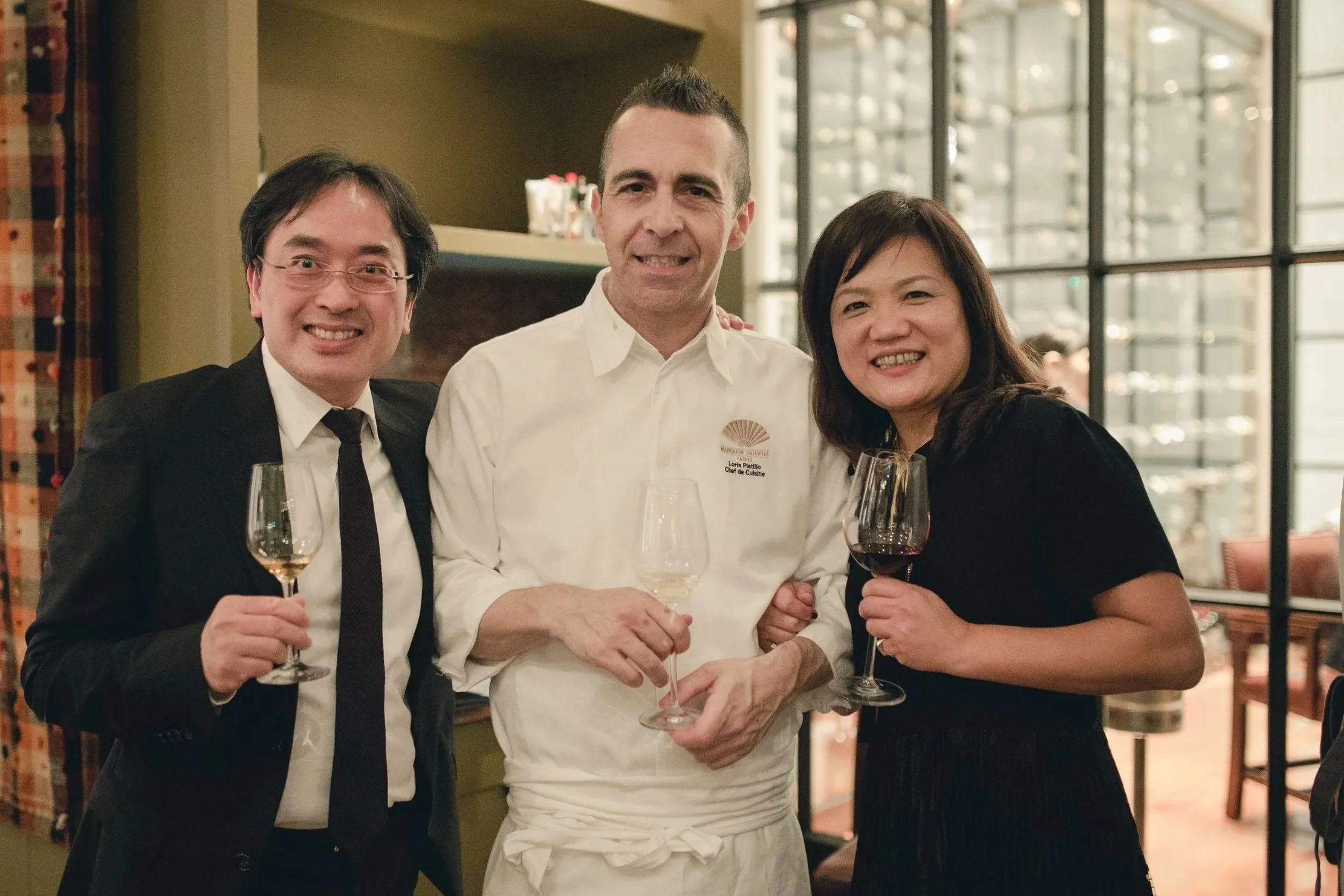
Mandarin Oriental Taipei joined to create its first opera-cabaret dinner: a meeting of Italian cuisine, hospitality, and live performance.
Steinway Piano Center entered a setting aligned with its musical identity and cultural audience.
Lexus participated through a wine-and-ticket member offer, creating a premium customer experience without taking over the event’s narrative.
Art and culinary partners gave the programme cultural and gastronomic authority.
Each partner had a clear reason to enter. Yet their interests could only meet through Ascent Way’s orchestration.
The experience gave guests an unexpected role: “the traitor—the person in every age who betrays themselves.” As they moved through eighty-eight wines, pursuing famous names and expensive bottles, the festival gently asked a sharper question: were they following their own taste—or simply following reputation?
By bringing guests back to soil, growers, and origin, Ascent Way created a new way to encounter Italian wine.

03 — Create the Path
The dinner was not the end. It was the beginning of the next relationship.
The project was neither simply B2B nor B2C. It was a B2B2C structure led by the strategic foundations of MÖTHEA.
In the daytime wine festival, consumers met winery owners and explored eighty-eight wines across regions, soils, and grapes.
At night, CEOs, VIP guests, and key relationship-holders entered a more intimate opera-cabaret dinner, where wine, food, performance, and business conversation shared the same table.
Separate ticketing created distinct paths for different audiences and partners. Lexus could activate a member offer; existing Ascent Way customers could receive exclusive dinner invitations through qualifying purchases; new audiences could enter through public tickets.
Every party contributed what it did best—wine, venue, culinary expertise, cultural credibility, audience access, or commercial channels. This made ticket revenue a direct return from a shared-value system, rather than the sole means of financing an event.


Outcome
The numbers mattered. So did the position they created.
Over 90% Lexus owner satisfaction
2.5x revenue growth for the partner restaurant
The opera-cabaret dining format doubled its market scale over two years
New media exposure, customer acquisition, and renewed engagement from existing clients
A B2B alliance connecting wineries, hospitality, dining, art, and brand partnership
Ascent Way did not replace larger brands. It created a field that larger brands chose to enter—and remained central to it.
“A newer competitor may offer a winery a higher agency fee. But it cannot quickly reproduce twenty years of trust—or the judgment to know which relationships should meet, when, and under what story.”
