The Public Was the Fulcrum
Gogoro Global
Client
Gogoro Inc.
Focus
Moving the Indian Public From the Audience to the Fulcrum of a Market
Collaborators
Gogoro Global Product Leadership, Creative Direction, Business Development, and Strategic Lead

Gogoro is often understood as an electric-scooter company.
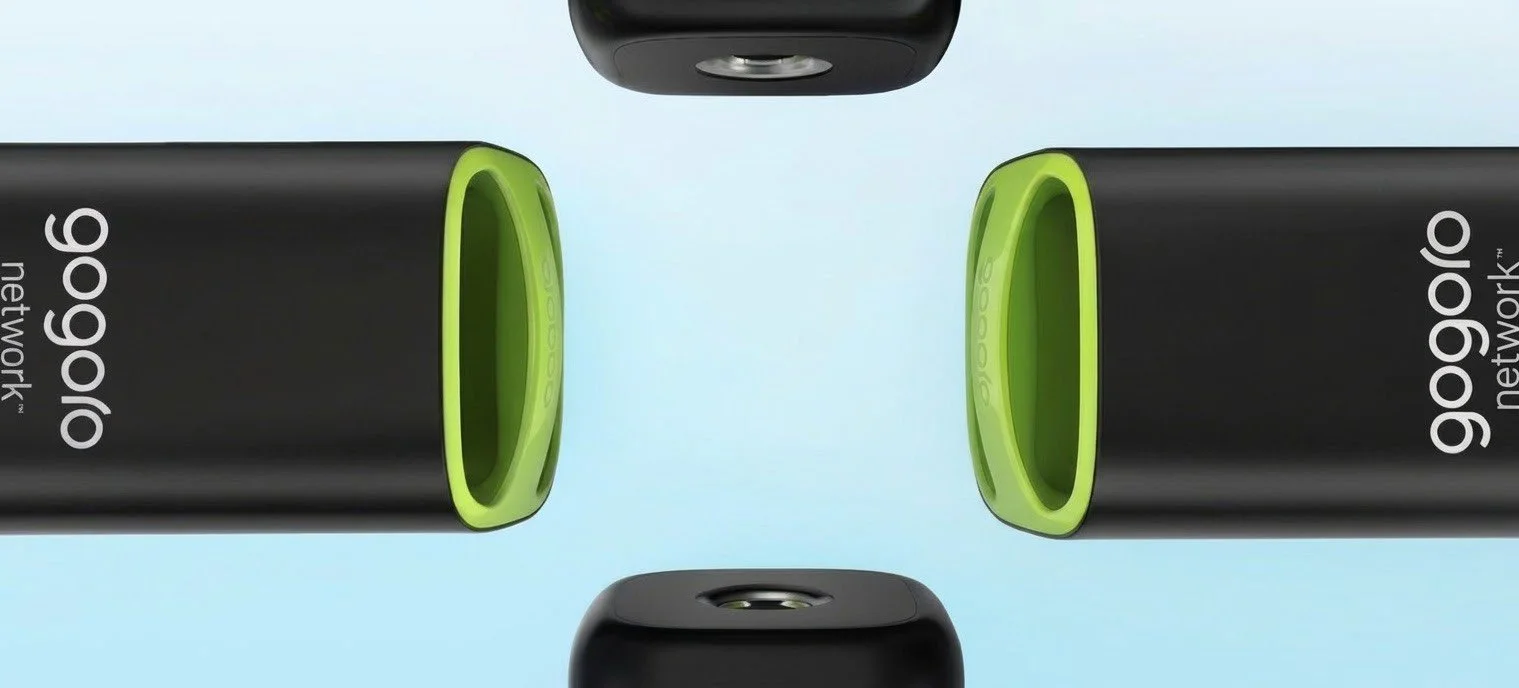
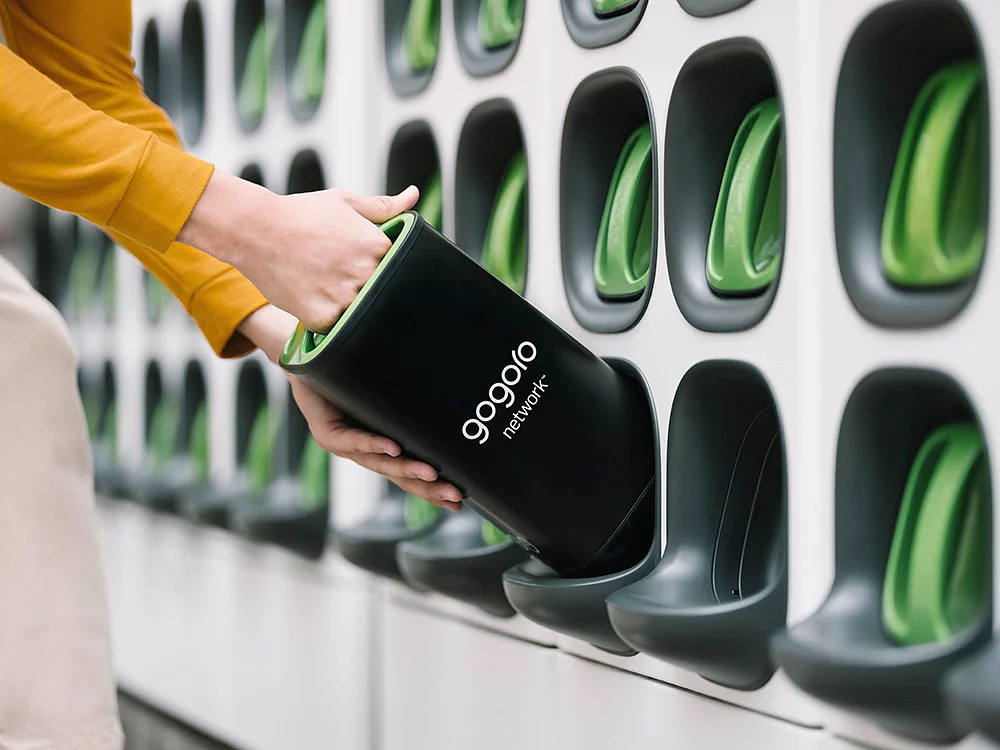
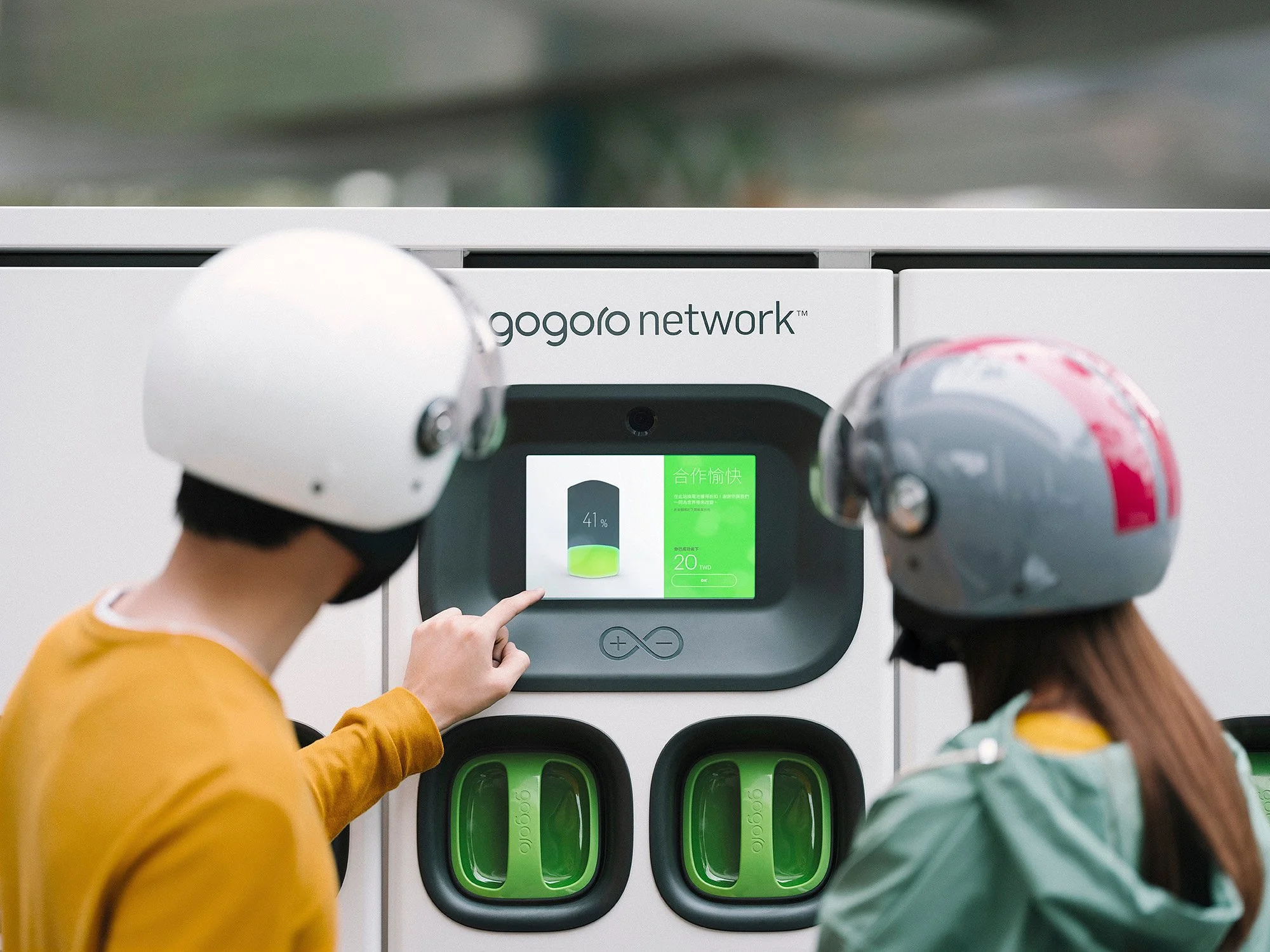
What people see are beautifully designed Smartscooters, Smart Batteries, and green-lit GoStations where a battery can be swapped in seconds. The impression is one of convenient movement, technological novelty, and a more premium urban way of getting around.
But from the beginning, Smart Batteries, energy management, and the Gogoro Network were at the heart of the ecosystem. In Taiwan, where scooters are deeply woven into daily life, the Smartscooter became the most immediate way for that system to build a relationship with people: through riding, swapping, and the familiar rhythm of the city.
But why should this system matter beyond Taiwan?
Why This Case Matters
I joined Gogoro's global headquarters in Taipei in June 2022, two months after the company listed on Nasdaq. I had been recruited by its chief product officer, into a Senior Program Manager seat, at a moment when the company was mid-transformation and expanding across Asia. My seat was the fresh pair of eyes, inside the meetings where product, brand, and expansion were argued over.
My work travelled the way work travels in a young company: mostly out loud. Strategy was argued in the meetings themselves, while a decision could still move, with written proposals where a product decision needed one, and messages sent into live discussions. I worked alongside the product leadership, the creative direction, and the strategist who had interviewed me. He had not been looking for another employee. He said he was looking for a partner: someone he could talk with, think with, and test his readings against.
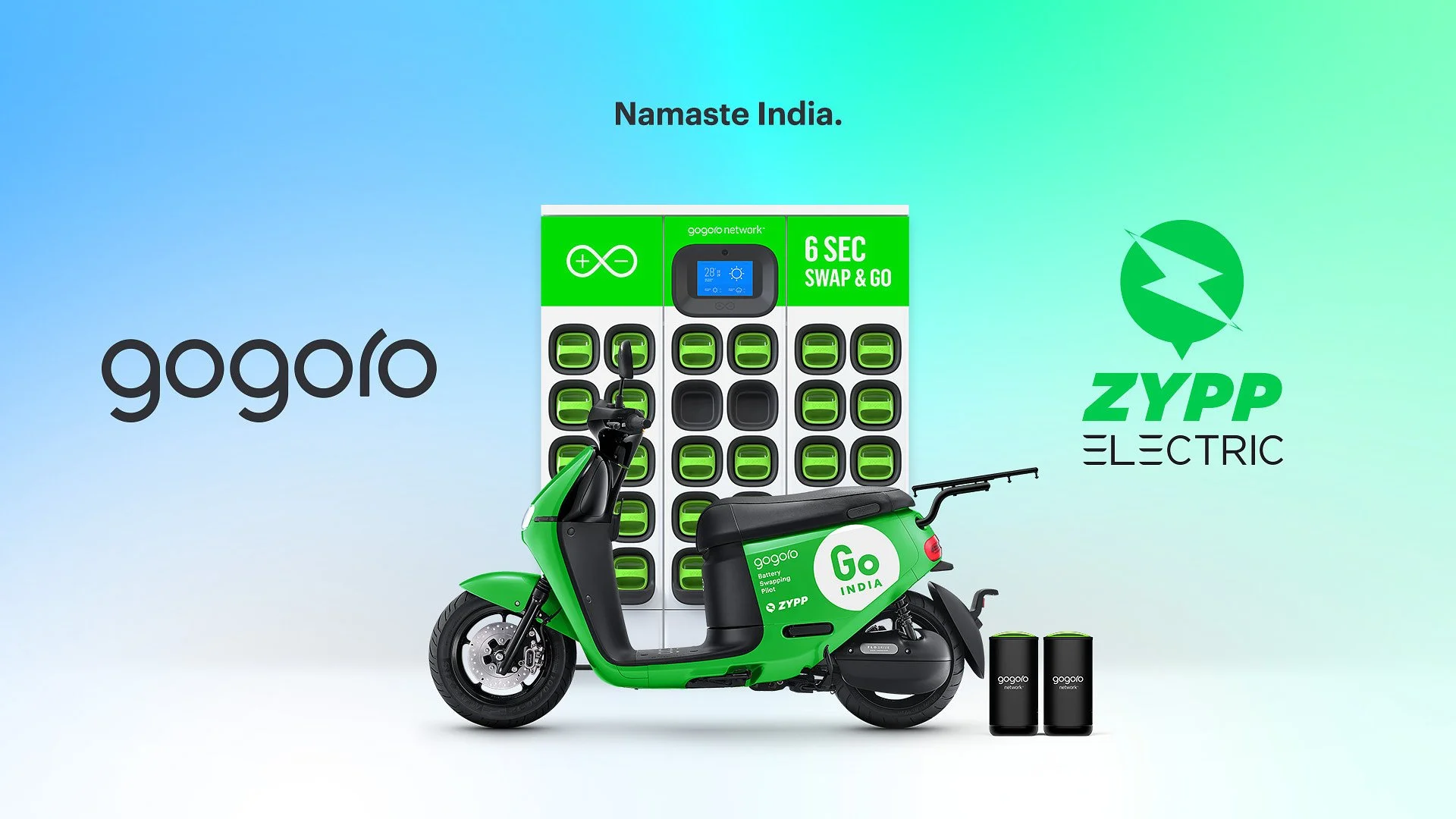
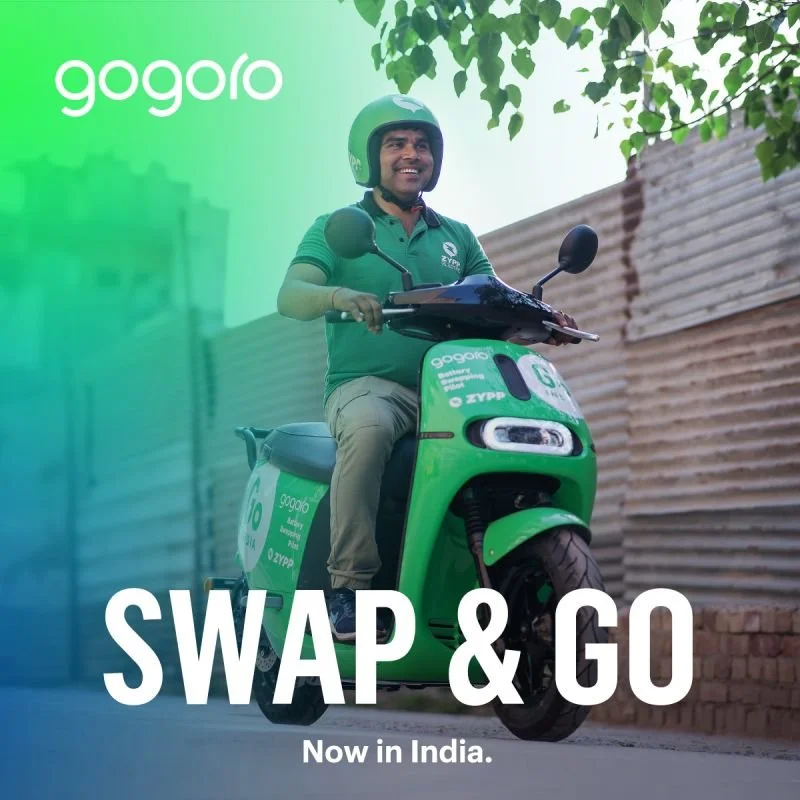
The company was preparing to enter India. The entry vehicle was a B2B pilot: in November 2022, Gogoro and Zypp Electric, an Indian EV-as-a-service platform, announced a pilot in Delhi NCR, six battery-swapping stations serving last-mile delivery fleets. As an operations story it was complete. Six-second swaps, less downtime, cleaner deliveries.
It answered the operational question. It did not answer a human one. A fleet partnership gives a government no reason to care, and it gives the public nothing at all. My question, from the first materials I was handed, was simpler than the strategy decks: what does battery swapping actually mean to a person in India?
01 — Read the Position
Before India, there was the whole line to read. The products, from the first scooter onward, are public record, and read in sequence they line up in curves. A product line moves in curves. After a peak, a trough follows, unless a new product is ready in time to carry the next rise. Read that way, the pressure was visible. New colours and new editions can fill a calendar. They cannot open a new curve.
India, I read the way I read the product line: everything I could get. Transport culture, ecology, energy systems, and one very thick research volume on energy, environment, and electric vehicles. I was reading into a country that had just been through it. In April 2022, weeks before I joined, India had suffered its worst power crisis in years: the hottest March in over a century, demand at a record high, and in Maharashtra a power deficit of sixteen percent, with cuts of six to eight hours even in its industrial cities. Inside that material, one point would not let go of me: the blackout.
02 — The Field Answers
The battery could carry this meaning because the design already did. A Gogoro battery is managed across its whole life, charged intelligently so it can be used to its limit, then retired into second-life work before it is recycled. The proof was already running at home, at the size of one traffic light. From the end of 2021, Gogoro and Far EasTone Telecommunications had been piloting traffic signals in Taipei that run on two smart batteries when the grid fails. In the island-wide blackout of March 2022, three months before I arrived, those signals stayed lit for nearly two hours. In June 2023, the same month Maharashtra issued its offer letter to Gogoro, the system rolled out to nearly two hundred of the city's busiest intersections.
In the end, the reading reduced to one physical fact. A grid moves energy through space. A battery is the only part of the system that moves energy through time: what is stored in the afternoon is still there at midnight, in the heat, when the grid is not. A blackout is the moment a place finds out how much time it has stored. Where the answer is none, heat stops being weather and becomes a cause of death, one body at a time. I called that a wound, and storage the constitution. The plainer statement is the same one: a constitution is stored time, kept where people live.
People understand storage before they understand swapping. A swap is a convenience for a rider. Storage is a sentence anyone can finish: when the power cuts, there is electricity you can use.
In India, this is not a figure of speech. Electricity is one of the three pillars elections turn on, alongside roads and water, and it reaches people through state-run distributors, which means a blackout arrives addressed from the government itself. When the power fails in a heatwave, people do not read it as a utility problem. They read it as their government failing, all of them at the same time, in their own bodies.
The timing mattered. Electricity in India is supplied by state governments through their own distribution companies, and free electricity is a standard promise of Indian campaigning, so every blackout is also a promise breaking. Maharashtra's government had taken office in June 2022, the month I arrived, born of a party split, with a national election and a state election ahead of it. A government in that position does not need to be persuaded that power matters. It needs somewhere to stand on the subject. That was the opening I was reading into.

03 — Create the Path
The entry plan, when I first saw it, ran from the company to a fleet operator, and stopped. I proposed running it the other way, beginning with the public, whose feeling is the one force in the system that nobody has to be persuaded to have. That starting point belonged to this case. In India, the pressure that could move everything else sat with the public, inside their homes, every time the power failed. When people understand what stored energy means inside their own homes, a government acquires a reason to be in the story.
A government with a reason can offer forms of cooperation that a private contract cannot buy: manufacturing welcomed as policy, Indian jobs counted as commitment. For a company two months into its life on a stock exchange in New York, the same story did one more piece of work. It showed investors a green-energy company at its proper height: a battery system that a state could treat as infrastructure.
What Came of It
In January 2023, at Davos, Gogoro and the State of Maharashtra announced a strategic partnership to build smart energy infrastructure in the state. It was framed publicly in the language of mobility and energy storage, with local manufacturing and an Indian partner. In June 2023, the state issued Gogoro an offer letter under its Ultra Mega Project policy: more than US$500 million in proposed manufacturing investment, and US$1 billion in proposed smart-battery infrastructure, each figure a proposal at that stage, with incentives to be defined by the state.
The work described in this case belongs to the period before those announcements. This case does not claim that I led Gogoro's India market entry, nor that I secured the subsequent partnership or investment. Those were advanced, and later changed, by Gogoro's leadership and teams across many stages. What I contributed was the reading: where the leverage in the system actually sat, and carrying it, spoken, into the meetings where the entry was being decided.
For the state, resilience had somewhere it could be bought, and flexibility had somewhere to stand. The scooters were the distribution. The batteries were the company. The energy company had existed from the first day. What it had never had was a market willing to read it at full size. It holds stored energy where people live, and it can move that energy in seconds. The power world has a name for that quality: flexibility. The reading began with the smallest seat in the system, a person in the dark when the power failed. It ended with the weight of the whole system resting on that seat, and moving.