


Da Vinci's Intoxicating Supper Wine Festival
The Twentieth Anniversary of Ascent Way

Client
Ascent Way
Focus
A Spatial Choreography of Who Gets Seen and Remembered.
Collaborators
22 Italian wineries, Mandarin Oriental Taipei, Lexus, Steinway Piano Center, opera artists, Michelin-starred culinary talent, and art-asset management partners—gathered at the intersection of craft, hospitality, and private capital.
Why This Case Matters
For twenty years, Ascent Way had built enduring trust with Italian wineries and a loyal following at home. Yet success in importing carries a quiet paradox: the stronger a winery's name becomes, the more the market remembers the label rather than the hands that built its presence. Once a house grows famous, any competitor can court it, while the importer who connects the entire system remains largely unseen. An importer who remains unseen can be replaced by anyone. The market cannot miss what it never saw.
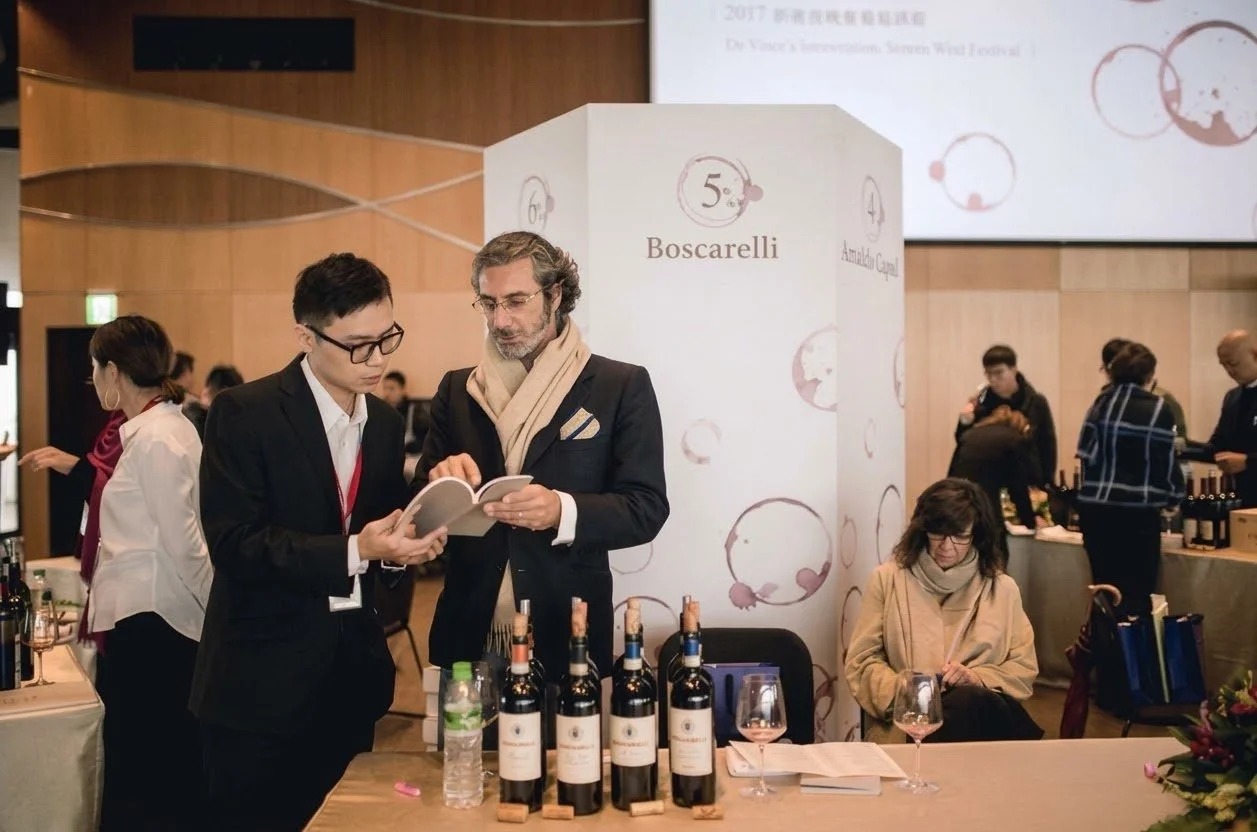
Inside the festival hall, the same gravity was at play. Twenty-two wineries had travelled to Taiwan with eighty-eight wines across four-hour sessions. Left to familiar habits, guests naturally gravitate toward renowned names and classic regions like Barolo and Barbaresco—leaving exceptional smaller estates standing quietly behind their tables while the crowd moves past. At any tasting, attention flows where familiarity already sits.
When Ascent Way invited me to curate its twentieth anniversary, the goal was to rearrange that visibility—placing the importer, and the growers and winemakers who had flown across the world with their bottles, directly where they could be seen and met.
01 — Read the Position
The starting point was a painting. In Leonardo da Vinci's Last Supper, there is one charged moment: Christ names the betrayer sitting among them. The painting hangs in the refectory of a monastery rather than a church. For three centuries, friars ate in silence facing that wall. Five hundred years later, we brought that refectory to Taiwan. The festival unfolded inside the thirty minutes before that moment—inside the room where it happened.
The moment mattered because of where Italian wine stood in Taiwan at the time. A wine never travels alone. It comes with a way of life. French living had long defined elegance across Asia, while Italy's world had not yet fully arrived. Its wines were still being judged by someone else's rules. For twenty years, Ascent Way had been bringing that whole world to Taiwan. That meant famous names alongside the quiet growers it believed in, plus olive oil, Christmas panettone, and the everyday life that gives those bottles their meaning.
02 — Reconfigure the Field
So the room itself had to move people. The most famous wineries were placed deep inside the hall and spread apart, with smaller wineries set between them along the way. Every guest received a handbook whose pages were silver coins. Hidden among the eighty-eight wines were certain numbers printed in gold, sitting at the tables of lesser-known estates. Tasting those unlocked gold coins that could be traded for acorn-fed jamón ibérico from Dashine, or a small surprise of Amedei Toscano chocolate.
As the afternoon unfolded, some guests went straight for the famous names. Others drifted, stopping at tables they had never heard of. The hall took on a different face at every stop.
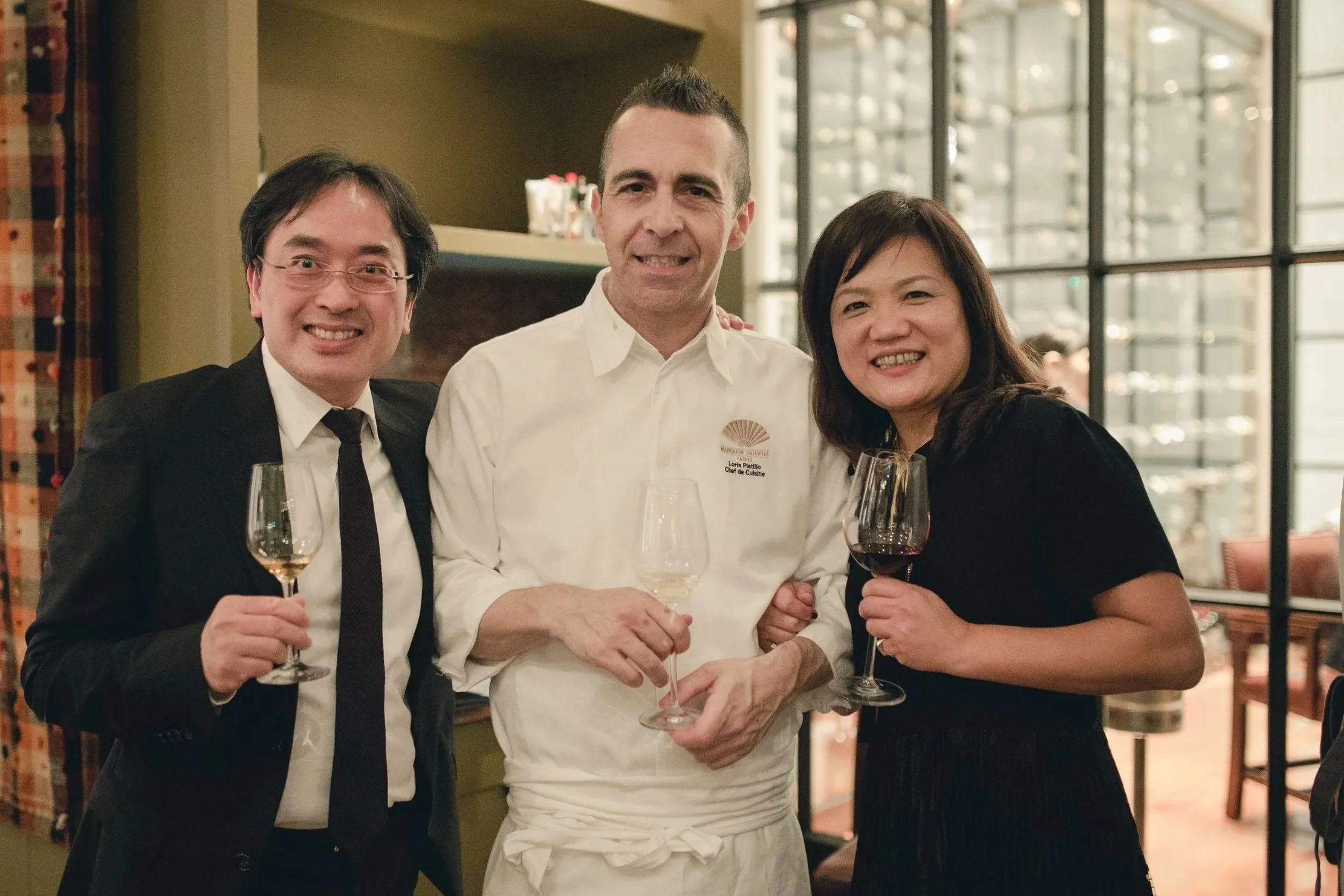
In the evening, the stage moved to Bencotto, the Italian restaurant at the Mandarin Oriental Taipei. Innovative European cabaret performs right alongside its audience. No one knew which neighbour might stand up and sing next, or when a voice would rise even from the kitchen. Steinway rarely steps outside the concert hall. Its presence at this dinner was quiet recognition of what the evening held.
The structure was designed so everyone involved came away ahead. Rather than relying on ticket sales alone, the festival tied client loyalty and brand experience directly to ongoing commercial return. Every partner entered with its own priority and left with its own interests moved forward.

03 — Create the Path
At the end, when a guest had collected the coins and opened the handbook fully, the pages mirrored who they had been all day. It had waited quietly while there was still wine to taste. Only once the book was complete did the full picture come together. Every guest had been cast, from the beginning, as Judas. Everyone present shared in that casting, from the winemakers behind the tables to the guests holding the book.
Betrayal here was simply a quiet habit: letting fame and price decide, while overlooking the people and the land behind the bottle. Guests left with a clearer sense of their own influence, invited to look past the label and back to the land.


Kuei-Chen Yen (顏歸真), cultural documentary photography.
What Came of It
Every party gained ground. The festival and dinner evenings filled to capacity, establishing a format that carried into later editions. Lexus saw deep engagement from its owners, while the partner hotel expanded its hospitality by weaving dining, wine, and live performance into a shared network. Six months later, Ascent Way's sales team heard the difference during client visits: the market no longer just recognized the wine labels—it knew the festival, and it knew what Ascent Way stood for.
Yet the real shift happened in the minds of the guests. People accustomed to choosing by status and price were playfully nudged out of their habits—invited to look past famous labels and recognize the growers behind them. When those who hold influence change how they see, that goodwill carries outward to the wider world behind the glass.
